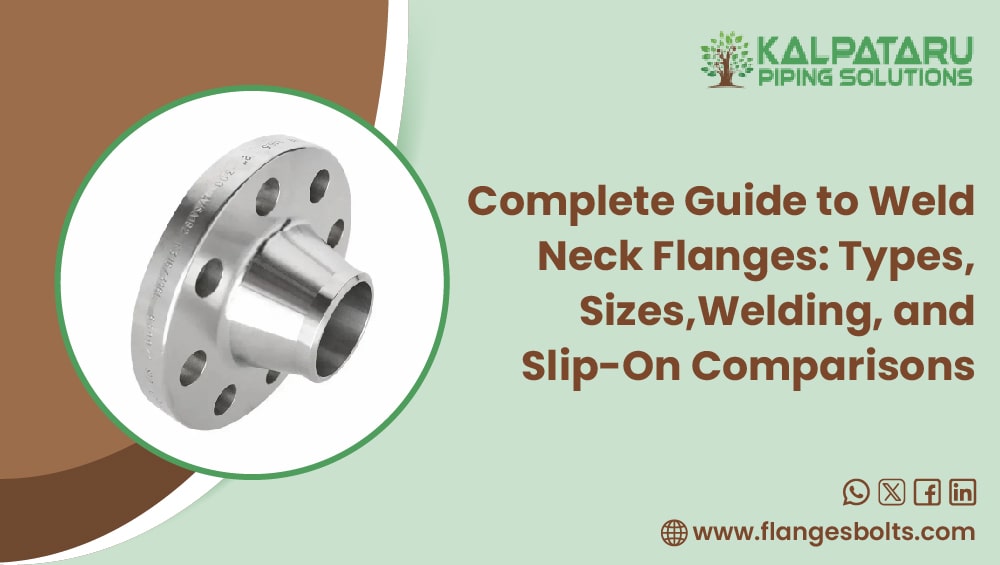
Weld neck flanges are one of the most generally used kinds of flanges in immoderate-strain and excessive-temperature applications. They offer advanced electricity, sturdiness, and an ordinary connection to the piping machine, making them important in industries which consist of oil and gas, petrochemicals, energy era, and shipbuilding. In this manual, we are able to find out various factors of weld neck flanges, alongside side kinds, dimensions, welding strategies, and a contrast with slip on vs weld neck flange.
What is a Weld Neck Flange?
A weld neck flange is a shape of flange with an extended, tapered hub that offers a smooth transition from the flange to the pipe. This layout allows in reducing strain concentrations and complements the structural integrity of the joint. Weld neck flanges are available specially stress ratings and materials, making them suitable for a massive kind of business enterprise programs.
Why Choose a Weld Neck Flange?
High Strength and Durability: Designed to stand as a lousy lot as immoderate pressures and temperatures.
Leak-Proof Connection: Butt welding guarantees a strong, leak-resistant joint.
Smooth Flow: Reduces turbulence and minimizes erosion.
Ideal for Harsh Environments: Suitable for offshore, chemical, and immoderate-stress systems.
Types of Weld Neck Flanges
1. Standard Weld Neck Flange
Designed for elegant-purpose programs in which immoderate-stress resistance is needed.
2. Long Weld Neck Flange
Features an extended neck, this is applied in precise applications requiring reinforcement or even as incredible pipe lengths aren't appropriate. It is generally positioned in pressure vessels and tank nozzles.
3. Heavy-Duty Weld Neck Flange
Used in extreme strain environments, providing extra thickness and reinforcement to deal with harsh walking conditions.
Weld Neck Flange Welding Process
Weld neck flange welding is an essential manner that ensures a regular and leak-evidence connection between a number of the flange and the pipe. The welding gadget commonly consists of:
Preparation: Cleaning and aligning the flange and pipe to make sure a proper healthy.
Tack Welding: Performing preliminary tack welds to hold the additives inside the area.
Full Welding: Using each butt welding or fillet welding strategies to create a robust joint.
Post-Weld Inspection: Conducting non-negative attempting out (NDT) which encompass X-ray or ultrasonic checking to test for defects.
Weld Neck Flange Dimensions and Standards
Weld neck flanges are synthetic according to various global standards, consisting of ASME B16.5 and B16.Forty seven. The dimensions range relying on the stress magnificence and size.
Weld Neck Flange Dimensions PDF: A downloadable reference that consists of detailed specs for distinctive flange classes.
Weld Neck Flange Dimensions in MM: Metric specifications help in ensuring compatibility with global piping structures.
Long Weld Neck Flange Dimensions Class 300: A broadly used class in high-stress packages, imparting particular measurements for installation.
Weld Neck Flange vs. Slip-On Flange: Key Differences
|
Feature |
Weld Neck Flange |
Slip-On Flange |
|
Welding Type |
Butt Welding |
Fillet Welding |
|
Strength |
High |
Moderate |
|
Leakage Resistance |
Excellent |
Moderate |
|
Cost |
Higher |
Lower |
|
Application |
High-pressure, high-temperature |
Low-pressure, general applications |
Slip-On vs. Weld Neck Flange: Which One Should You Choose?
Use a weld neck flange whilst managing essential packages requiring excessive structural integrity, strain resistance, and minimum turbulence.
Choose a slip-on flange for low-strain programs in which ease of installation and value-effectiveness are priorities.
Weld Neck Flange Connection to Pipe
The connection of a weld neck flange to a pipe is accomplished through the use of butt welding, which ensures robust joints. The following steps are involved:
Align the Flange and Pipe: Ensuring specific positioning for a uniform weld.
Tack Weld for Stability: Small welds are implemented to maintain the flange in place.
Complete Butt Weld: A complete penetration weld is applied across the joint.
Inspection and Testing: Checking the integrity of the weld using non-destructive checking out techniques.
Post-Weld Treatment: After welding, the joint undergoes post-weld warmness remedy (PWHT) if required, to alleviate residual stresses and beautify the mechanical properties of the weld. Surface finishing and anti-corrosion coatings may also be applied to enhance sturdiness and sturdiness, particularly in harsh environments. Proper documentation and best assurance exams ensure that the weld neck flange connection meets enterprise requirements and operational requirements.
Common Applications of Weld Neck Flanges
Weld neck flanges are widely used in various industries due to their excessive strength and reliability:
Oil and Gas Industry: Used in offshore rigs, pipelines, and refineries wherein high-pressure dealing is important.
Petrochemical Plants: Helps in transporting risky and corrosive chemical compounds.
Power Plants: Essential in nuclear, thermal, and hydroelectric vegetation for steam and water transmission.
Shipbuilding: Used in marine applications to connect pipelines securely in high-stress structures.
Chemical Processing: Required for dealing with competitive fluids in business chemical manufacturing.
Weld neck flanges play a crucial function in making sure a dependable and sturdy piping connection in high-strain environments. Whether you require an extended weld neck flange, want records on weld neck flange dimensions in mm, or want to examine weld neck flange vs. Slip-on flange, know-how those components allow in making informed choices.
Flanges Bolt gives remarkable weld neck flanges that meet industry requirements, making sure advanced overall performance and toughness on your piping structures. Contact us today for the fine solutions in weld neck flange connection to pipe and lengthy weld neck flange dimensions Class 300.