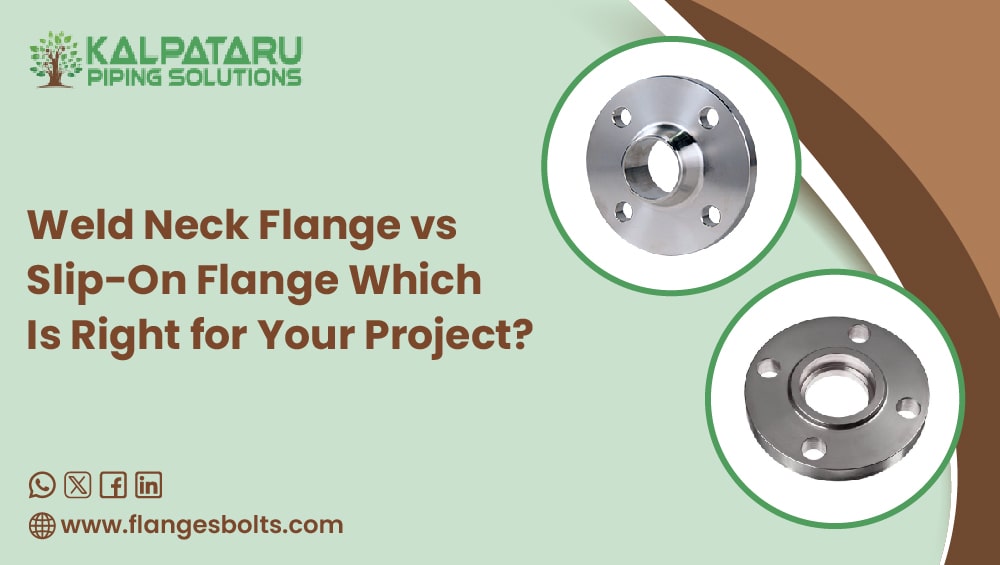
Flanges play a crucial role in piping systems, presenting solid connections, facilitating preservation, and ensuring green fluid glides. Among the maximum normally used flange types are weld neck flanges and slip-on flanges, each imparting awesome benefits and applications. If you're considering the variations between weld neck flange vs slip on, their respective advantages, and which one suits your task, this manual presents a complete weld neck flange evaluation and slip on flange contrast to help you make a knowledgeable desire.
A weld neck flange (WN flange) is a shape of flange exceptional with the useful useful resource of its lengthy, tapered hub, which often transitions into the pipe. This layout considerably reduces strain interest at the lowest of the flange, making it suitable for excessive-stress and immoderate-temperature packages. The weld neck flange connection is completed through butt welding, ensuring a robust, leak-proof, and sturdy joint that complements the structural integrity of the piping machine. These flanges are usually applied in vital programs in the course of industries collectively with oil and fuel, petrochemicals, chemical processing, power technology, and offshore drilling.
Advantages of Weld Neck Flanges
1. Superior Strength and Structural Integrity
The butt-welded connection of a weld neck flange creates a continuing joint with the pipe, making sure splendid structural integrity. Unlike wonderful flange kinds, the weld neck flange forms a non-stop steel structure, considerably lowering the probabilities of leaks or failure beneath strain.
2. Ideal for High-Pressure and High-Temperature Applications
Weld neck flanges are in particular designed for immoderate-pressure structures (as plenty as 5000 psi) and elevated temperature conditions. The clean hub transition minimizes stress interest, preventing failures in thermal biking environments.
3. Reduced Vibration and Fatigue Resistance
The tapered hub calmly distributes stress on some of the flange and the pipe, reducing vibration outcomes. This feature is mainly beneficial in programs with fluctuating masses or dynamic forces, consisting of offshore pipelines and power flora.
4. Enhanced Flow Characteristics
The smooth inner bore of the weld neck flange allows for uninterrupted fluid glide, lowering turbulence and stress drop. This makes it best for vital drift systems in chemical processing and electricity plant life, where preserving best glides is crucial.
5. Long-Term Durability and Reliability
Weld neck flanges offer advanced resistance to corrosion, thermal growth, and mechanical strain, critical to longer carrier life. They can face up to severe environments, collectively with subsea packages, cryogenic temperatures, and aggressive chemical materials.
Disadvantages of Weld Neck Flanges
1. Higher Cost
Material Cost: Weld neck flanges are usually crafted from high-energy alloys, growing their fee in assessment to slide-on flanges.
Welding Expenses: The butt-welding approach requires specialized welding system and skilled tough paintings, including to the general assignment price.
Inspection and Testing: Non-unfavourable attempting out (NDT) techniques such as radiographic or ultrasonic attempting out are regularly needed to ensure weld first-class, in addition growing charges.
2. Complex Installation Process
Requires Skilled Labor: The butt-welding approach is difficult and needs professional welders to advantage right alignment and penetration.
Time-Consuming: Unlike slip-on flanges, which can be fast bolted in region, weld neck flanges need unique becoming, welding, and positioned up-weld inspection, leading to longer set up instances.
Heat-Affected Zones (HAZ): Improper welding strategies can create inclined zones within the pipe cloth, doubtlessly leading to cracking or decreased mechanical energy.
3. Heavier and Bulkier Design
The extended hub increases the weight of the flange, making it less practical for compact systems or programs in which area constraints exist.
The more weight moreover provides to transportation and managing expenses.
4. Not Ideal for Low-Pressure Applications
Since weld neck flanges are particularly designed for immoderate-strain, excessive-temperature environments, they'll not be value-effective for systems working at low pressures. Slip-on flanges can be a greater excellent price preference in such instances.
What is a Slip-On Flange?
A slip-on flange (SO flange) is designed to slide over the pipe before being welded in region. It is attached to the usage of fillet welding on both the inside and outside, making set up easier as compared to weld neck flanges.
Advantages of Slip-On Flanges
Cost-Effective: Lower fabric and installation fees make it a cheap desire.
Ease of Installation: Simple alignment and welding make it best for decrease-pressure packages.
Flexibility: Suitable for non-critical, mild-stress packages where welding knowledge can be restricted.
Disadvantages of Slip-On Flanges
Weaker Connection: Fillet welding is less strong than butt welding, making it improper for excessive-pressure systems.
Higher Leakage Risk: The double welding will increase capability failure factors compared to weld neck flanges.
Increased Flow Restriction: The pipe quit in the flange can motivate minor turbulence and stress drops.
Weld Neck Flange vs Slip-On Flange: Key Differences
|
Feature |
Weld Neck Flange |
Slip-On Flange |
|
Welding Type |
Butt Welding |
Fillet Welding |
|
Strength |
High |
Moderate |
|
Leakage Resistance |
Excellent |
Moderate |
|
Cost |
Higher |
Lower |
|
Installation |
Complex, requires expertise |
Easy, suitable for quick setups |
|
Application |
High-pressure, high-temperature |
Low to moderate pressure |
|
Durability |
Long-lasting, withstands stress |
Shorter lifespan in demanding environments |
Choosing Between Slip-On vs Weld Neck Flange
When to Choose a Weld Neck Flange
- A weld neck flange is the preferred option whilst:
- Your mission includes high-strain or excessive-temperature programs.
- The machine calls for minimum turbulence and maximum go with the flow efficiency.
- Structural integrity and leak-evidence overall performance are pinnacle priorities.
- The piping machine is in vital industries like oil and gas, chemical flowers, and power vegetation.
When to Choose a Slip-On Flange
- A slip-on flange is good when:
- The gadget operates at low to slight stress.
- Ease of set up and cost-effectiveness are primary worries.
- The application calls for common assembly and disassembly.
- The project has budget constraints and does no longer require excessive durability.
Weld Neck Flange Comparison: Long-Term Benefits
While weld neck flanges have a better initial value, their durability and leak-evidence format lead them to be fee-effective over the years. The weld neck flange connection prevents frequent protection, lowering lengthy-time period charges. For crucial packages, a weld neck flange vs slip on choice nearly constantly favors weld neck flanges.
Slip On Flange Comparison: Cost and Convenience
For non-essential applications wherein rate is a prime element, slip-on flanges are a sensible preference. However, in packages with fluctuating pressure or temperature, the higher leakage danger may additionally boom renovation fees over time.
Conclusion: Which One is Right for You?
The choice among weld neck flange vs slip on is based upon the unique needs of your mission. If you require immoderate strength, durability, and overall performance in severe situations, a weld neck flange is the proper desire. However, if your precedence is fee-effectiveness, smooth installation, and mild ordinary overall performance, a slip-on flange will serve your needs nicely.
Understanding the differences between slip on vs weld neck flange, and conducting a proper weld neck flange comparison and slip on flange assessment guarantees you pick the most green and reliable option to your piping machine.<